
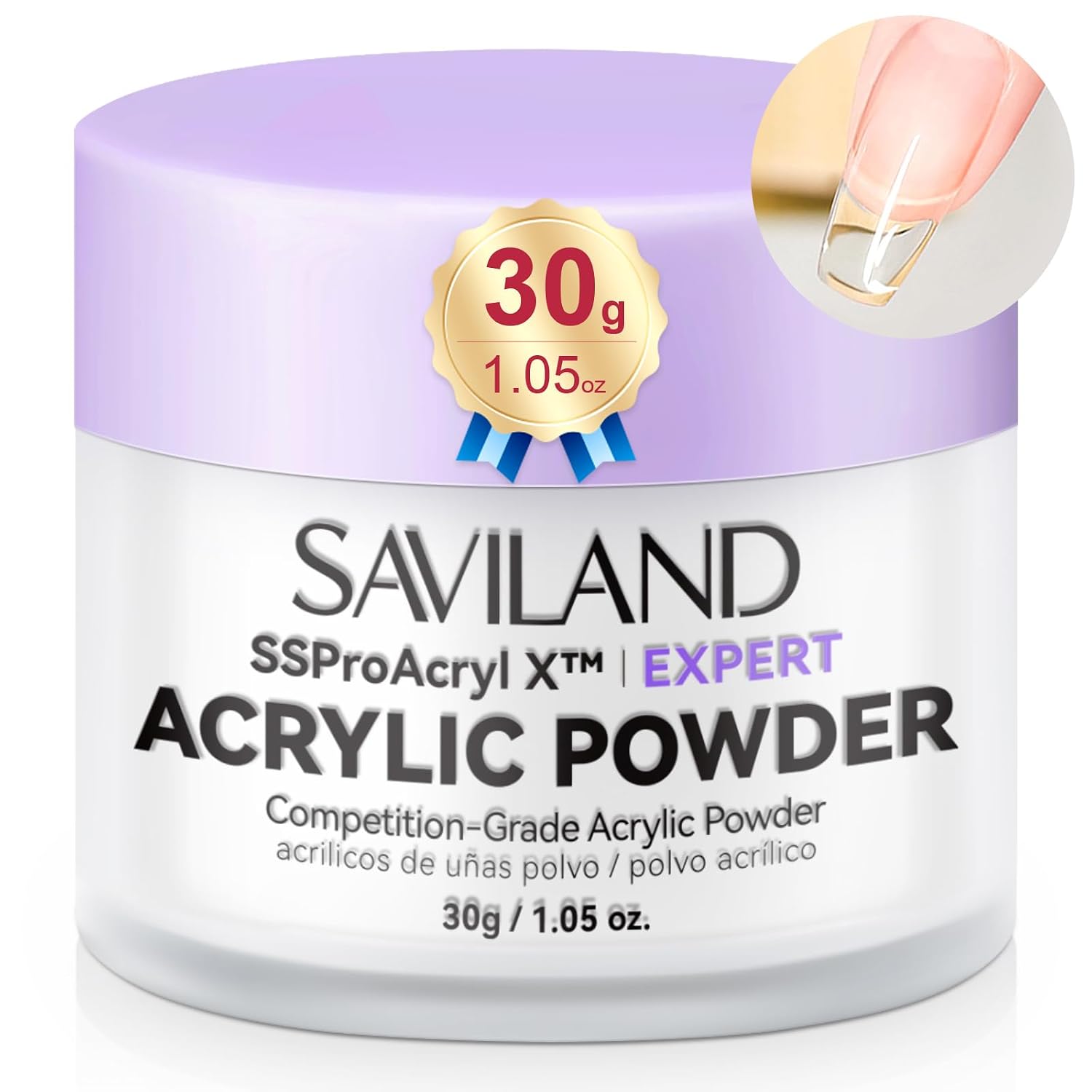
Clear keratin acrylic powder is a versatile option for technicians and DIY nail artists who want a strong, transparent base for extensions and decorative work. This guide explains what to expect from a clear keratin acrylic, how to work with it, its main strengths and limitations, and tips to get consistent results.
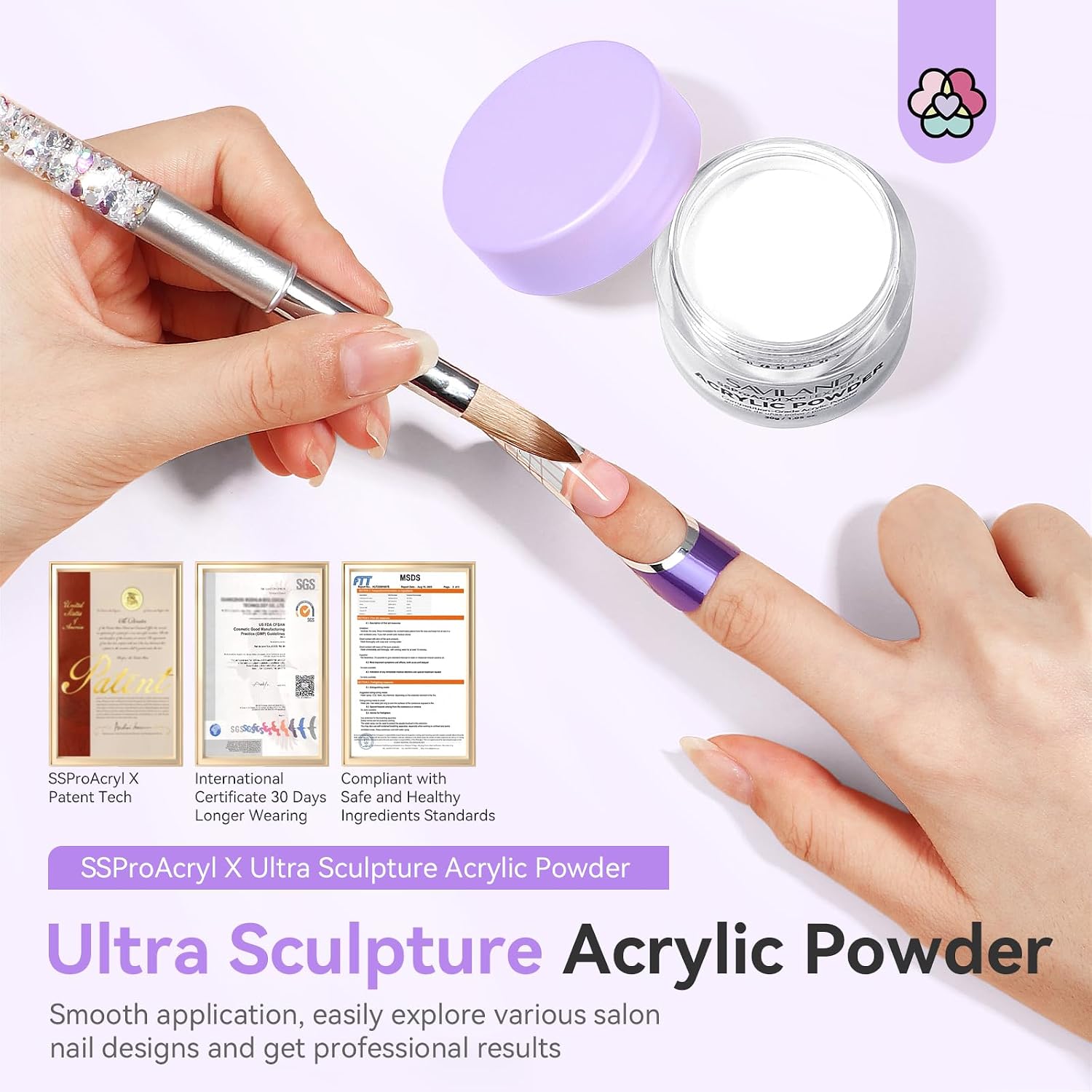
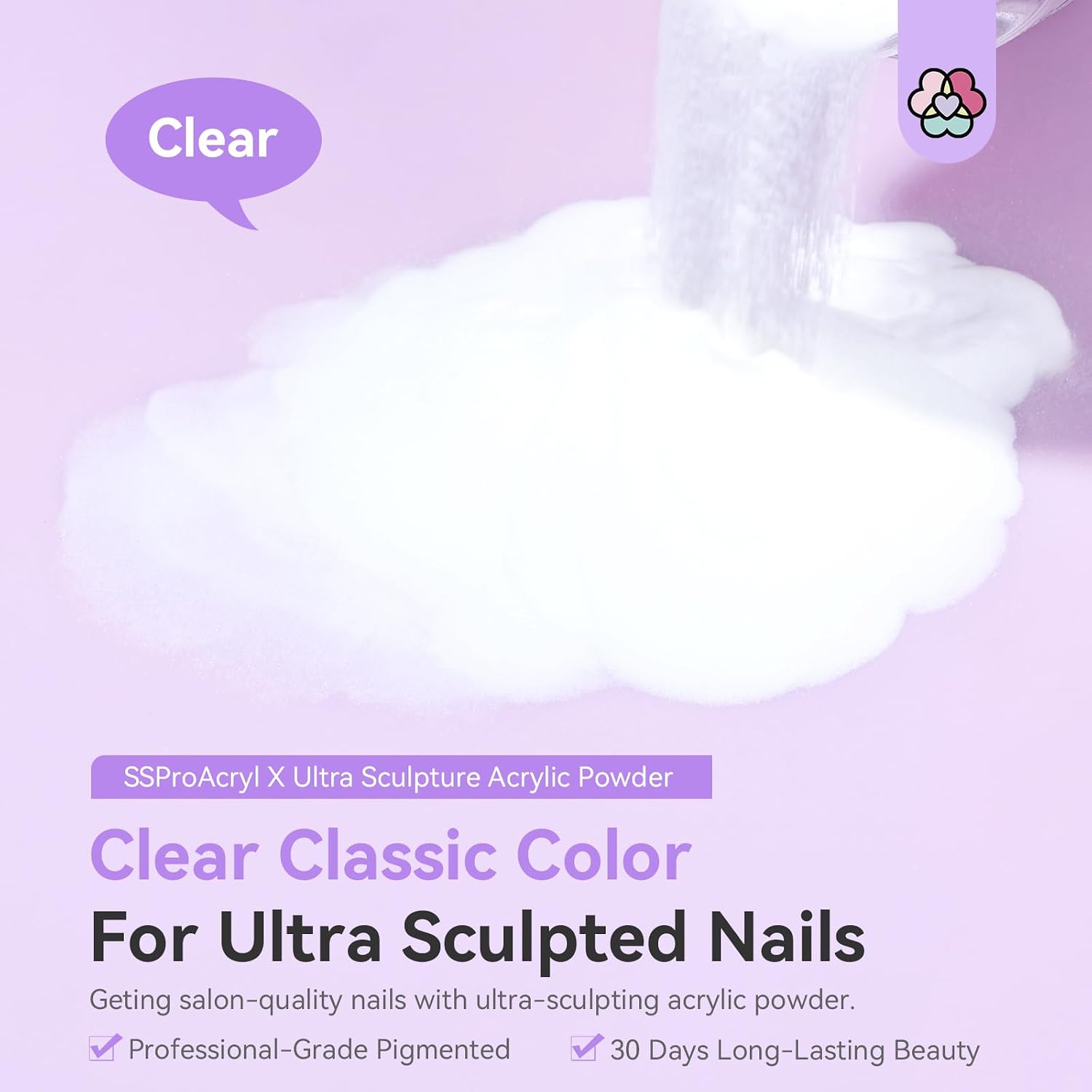
What this clear keratin acrylic powder is designed for
This product combines an ultrafine acrylic powder with keratin to create a transparent medium for building nail extensions, sculpting, and nail art base layers. It blends with acrylic liquid to form workable beads quickly, supports multiple decorative techniques, and is presented as a naturally hard finish that does not require lamp curing.
Common uses
- Creating clear or encapsulated nail extensions
- Nail carving and DIY sculpture work
- Bonding rhinestones and other embellishments
- Blooming effects and classic French manicures
Key features and how they matter in practice
Below are the main characteristics you’ll notice and why they can matter at the bench.
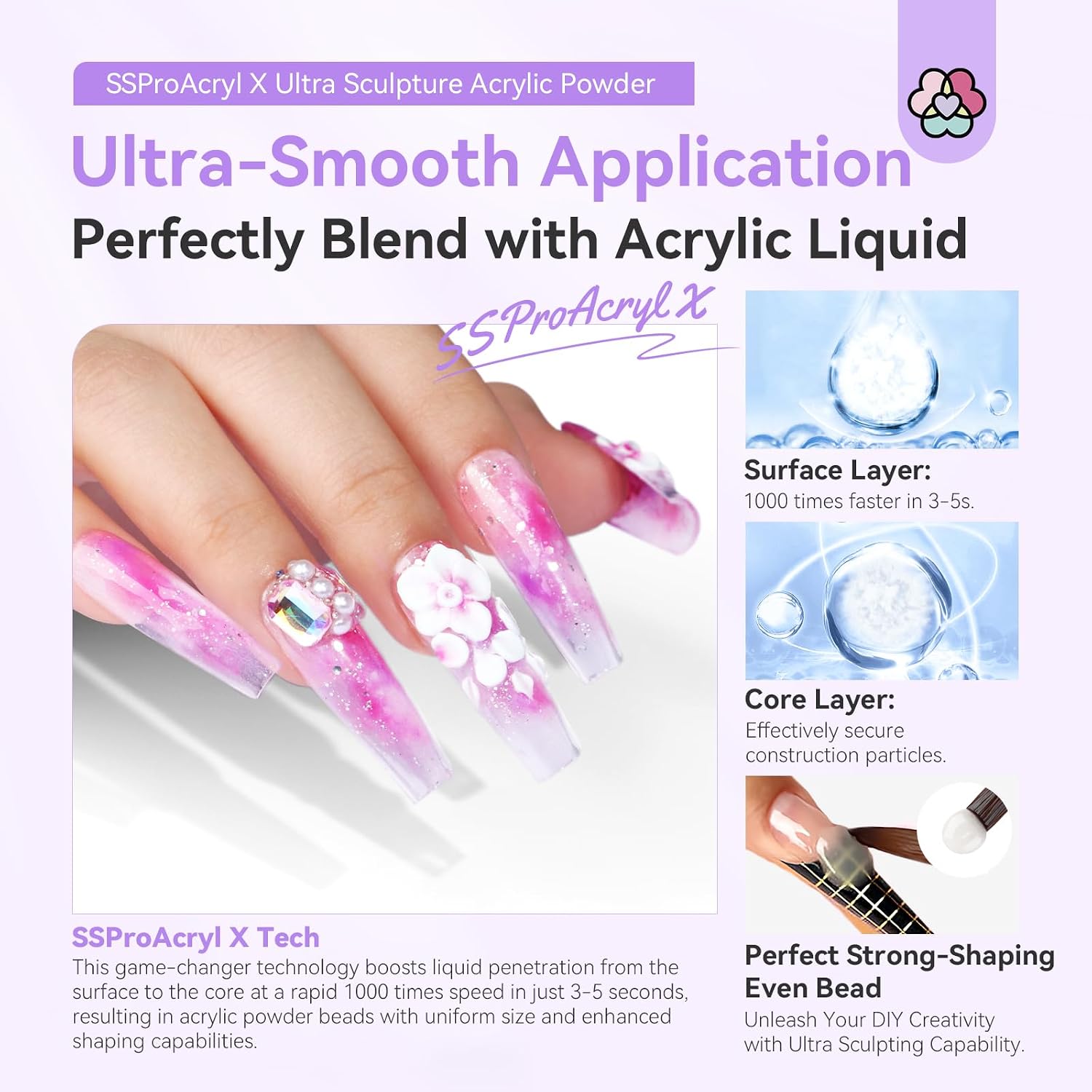
Ultrafine, uniform texture
The powder’s very fine particle size produces a smooth feel and helps you blend and shape cleanly. A finer texture usually makes bead formation and surface finishing easier, and it can reduce visible graininess in clear work.
Fast bead formation (about 3–5 seconds)
When mixed with acrylic liquid, the formula is designed to form even, workable beads in a short window. That speed supports efficient sculpting but also means you should be ready to place and shape beads promptly.
Keratin-enriched formula
The added keratin is included to support the natural nail structure. In application, this is intended to contribute to nail toughness and to help reduce the risk of breakage compared with brittle overlays.
Natural hardening — no lamp needed
This acrylic solidifies by chemical polymerization rather than by UV/LED curing. That makes it compatible with traditional monomer systems and removes the need for a curing lamp when working with this powder.
Moderate drying speed
The drying rate is described as neither too fast nor too slow. That balance gives you time to sculpt and refine shapes without long waiting periods, yet still requires attention to bead timing and placement.
Step-by-step: basic application workflow
Below is a practical order of steps commonly used with clear acrylic powders. Adapt technique and timing to your skill level and working environment.
- Prep the natural nail: clean, dehydrate, and gently buff the surface to remove shine and oils.
- Mix a bead: dip your brush into acrylic liquid, then into the powder to form a bead. Expect bead formation within a few seconds.
- Place and shape: position the bead at the desired area (tip or free edge) and sculpt using controlled brush strokes.
- Refine: while still workable, shape the apex and edges. Use a fine brush to smooth transitions.
- Finish: allow the overlay to fully harden at room temperature. File and buff to final shape prior to any topcoat or polish.
Practical tips for consistent results
- Work in a stable room temperature; temperature and humidity affect polymerization time.
- Keep a clean, saturated brush for smooth bead control and blending.
- For encapsulation, apply clear powder in thin, controlled layers and allow full hardening before adding heavy decorations.
- If you plan to add rhinestones or gems, use the clear acrylic as an adhesive anchor while the material is still tacky for best hold.
- For a classic French look, reserve a well-placed white powder or form the smile line after the clear base has set.
- For a white alternative suitable for French styles, consider a dedicated white acrylic product such as Definite White Acrylic Powder: Definite White Acrylic Powder.
Limitations and suitability
Clear keratin acrylic powder is well suited to users who prefer traditional acrylic systems and wish to avoid UV/LED curing. It is not a UV gel, so it won’t cure under a lamp in the same way gel products do. Because the powder sets chemically, timing and bead control are key skills; less experienced users may require practice to master bead timing and shaping.
Safety and handling notes
- Work in a well-ventilated area and avoid direct inhalation of fine acrylic dust.
- Avoid contact with eyes and prolonged skin exposure; use gloves and a dust mask if needed.
- Keep acrylic brush care consistent: clean brushes promptly after use to maintain performance.
What to expect from wear and maintenance
The powder is presented as producing a hard overlay that resists wear, with claims of long-lasting retention. Regular maintenance habits—fills, gentle filing, and protective topcoats—will extend service life. If you intend heavy embellishment or frequent mechanical stress, ensure attachment points are reinforced and that gemstones are seated into slightly tacky acrylic for extra holding strength.
Final thoughts
For technicians and hobbyists who favor traditional acrylic techniques, a clear keratin acrylic powder provides a transparent, fine-textured medium for extensions and decorative work. Its keratin addition aims to support natural nail strength, and the natural hardening process removes dependence on curing lamps. Price at the time of writing is USD 7.99; prices may change. If you need a white option for French tips, check the suggested white acrylic product above.